2026 Hyundai Ioniq 6 N Review: Electric Performance Tested
The 2026 Hyundai Ioniq 6 N turns Hyundai’s sleek electric sedan into a serious performance EV with track-ready hardware, playful software, and enough character to challenge established sport sedans. It takes the low-slung Ioniq 6 platform and adds the attitude, cooling, grip, and tuning expected from Hyundai’s N division.
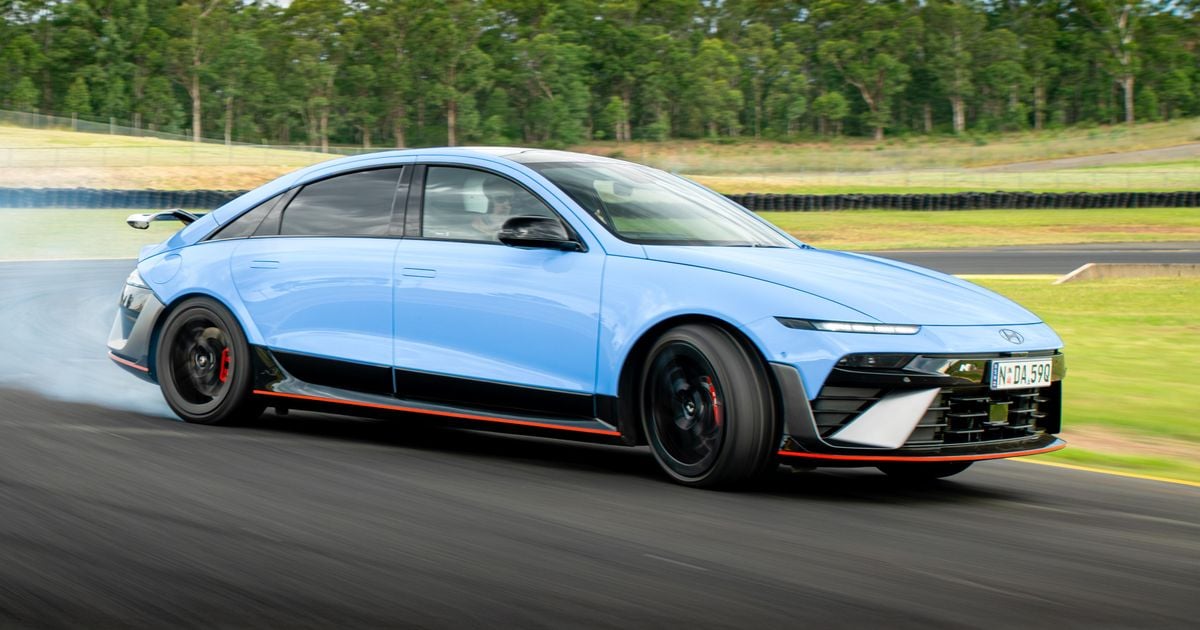
Hyundai’s electric N formula reaches the sedan segment
Hyundai has already proven that electric cars can feel exciting with the Ioniq 5 N. The Ioniq 6 N applies a similar recipe to a very different body style. Instead of a tall crossover shape, it uses a lower, slipperier sedan profile. That matters for handling, stability, and road feel.
The regular Ioniq 6 is known for efficiency and futuristic styling. The N model has a different mission. It is designed to be faster, louder, sharper, and more engaging. Hyundai has not simply added more power. It has reworked the car as a complete performance package.
For buyers searching for a 2026 Hyundai Ioniq 6 N review, the headline is simple. This is not just a quick electric commuter. It is a high-performance electric sedan built for drivers who enjoy corners as much as straight-line speed.
Power, battery, and performance figures
The Ioniq 6 N uses a dual-motor all-wheel drive layout. As with the Ioniq 5 N, the system can produce up to 478kW and 770Nm when its temporary boost function is active. That output places it among the most powerful electric sedans in its class.
Hyundai claims a 0-100km/h time of about 3.2 seconds when launch control and maximum boost are engaged. Top speed is expected to sit around 257km/h. Those numbers make it dramatically quicker than standard Ioniq 6 variants and competitive with premium performance EVs.
Energy comes from an 84kWh battery pack. The car uses Hyundai’s E-GMP electric architecture, which supports ultra-fast charging through an 800V electrical system. On a suitable DC charger, the battery should be capable of rapid 10 to 80 per cent charging, depending on conditions.
Range will depend heavily on wheel choice, tyre compound, weather, and driving style. The N model wears performance rubber and carries more aggressive aerodynamic equipment than the efficiency-focused versions. That means outright range is unlikely to be its main selling point.
A sharper chassis than the standard Ioniq 6
The lower centre of gravity gives the Ioniq 6 N a natural advantage over taller electric performance cars. The battery sits beneath the floor, while the sedan shape helps the car feel settled through fast direction changes. Hyundai has then added N-specific chassis tuning.
Expect firmer suspension, stronger body control, and adaptive dampers calibrated for demanding driving. The steering is also tuned to deliver quicker responses and more confidence at speed. These details matter because electric cars can feel heavy if their chassis is not carefully managed.
The Ioniq 6 N also uses advanced torque distribution tools. Drivers can adjust how power moves between the front and rear axles. This lets the car feel secure, neutral, or more rear-biased, depending on the selected setup. It is a useful feature on road and track.
High-performance brakes work alongside strong regenerative braking. Hyundai’s N division has focused heavily on brake consistency, which is important for repeated hard laps. Regeneration can reduce heat in the friction brakes and help the car stay composed during demanding sessions.
Software that adds drama to an electric car
One of the biggest challenges for electric performance cars is emotion. Instant torque is impressive, but it can feel one-dimensional. Hyundai tackles this with several N-branded systems designed to add interaction and theatre.
N e-Shift is one of the most talked-about features. It simulates the sensation of gear changes, including torque interruptions and shift timing. The system does not make the car quicker, but it can make hard driving feel more familiar and involving.
N Active Sound Plus adds synthetic sound through the speakers. Drivers can choose different sound profiles, each designed to match the car’s performance character. Some purists may not need it, but many drivers enjoy the added feedback.
N Grin Boost gives a short burst of maximum output. N Launch Control helps deliver consistent standing-start acceleration. N Drift Optimizer adjusts power delivery for controlled slides, while N Torque Distribution lets drivers fine-tune the car’s behaviour in corners.
There are also battery management modes built for performance driving. These help prepare the battery for either brief high-output bursts or longer track sessions. Thermal control is crucial in fast EVs, so this technology gives the Ioniq 6 N more credibility beyond a single acceleration run.
Exterior design and aerodynamic changes
The Ioniq 6 N looks far more aggressive than the standard sedan. Wider guards, deeper bumpers, side skirts, and a prominent rear wing give it a motorsport-inspired stance. The shape remains recognisably Ioniq 6, but the N version carries much more visual muscle.
Large wheels fill the arches and are wrapped in performance tyres. The wider track helps improve grip and creates a planted look. Aero elements at the front and rear are not just decorative. They help manage airflow and stability at higher speeds.
The standard Ioniq 6 has a very low drag focus. The N model balances efficiency with downforce and cooling. That change suits the car’s purpose. A track-capable EV needs airflow for the battery, brakes, and power electronics, not just a slippery silhouette.
Interior, technology, and everyday usability
Inside, the Ioniq 6 N keeps much of the regular car’s modern layout, but adds performance details. Expect N sport seats, unique trim, special drive-mode buttons, and dedicated performance displays. The cabin should feel familiar to Ioniq owners, yet more focused.
The steering wheel includes shortcuts for N modes and boost functions. Digital screens can show performance data such as battery temperature, torque split, lap information, and energy use. These displays make the car easier to manage during enthusiastic driving.
Practicality should remain decent for a performance sedan. The long wheelbase supports useful rear-seat space, although the sloping roofline may limit headroom for taller passengers. The boot and small front storage area add everyday flexibility.
This is one of the Ioniq 6 N’s strengths. It offers extreme acceleration and serious handling technology, but it should still work as a daily electric car. That combination will appeal to buyers who want one vehicle for commuting, weekend drives, and occasional track use.
How it compares with key rivals
The electric performance sedan market is getting crowded. The Tesla Model 3 Performance remains an obvious rival, thanks to its speed and charging network. The BMW i4 M50 brings premium badge appeal and strong dual-motor performance. Polestar and Porsche also offer alternatives at higher price points.
The Hyundai takes a different approach. It does not rely only on acceleration. Its simulated shifting, adjustable torque settings, boost mode, drift functionality, and track-focused battery tools create a more playful personality. That could make it especially appealing to enthusiasts moving from petrol performance cars.
Pricing for Australia has not been confirmed. However, the Ioniq 6 N is expected to sit above regular Ioniq 6 models and near the Ioniq 5 N in positioning. A six-figure price would not be surprising, given its power, hardware, and N-specific engineering.
Conclusion: a performance EV with real personality
The 2026 Hyundai Ioniq 6 N shows how quickly Hyundai’s N division is evolving in the electric era. It combines huge dual-motor output with a low sedan body, serious chassis tuning, and software designed to make fast driving more rewarding.
It will not be the longest-range version of the Ioniq 6, and it will not be the cheapest. That is not the point. This model is for drivers who want an electric car with speed, adjustability, and a sense of occasion.
If Hyundai can deliver strong real-world range, reliable track performance, and competitive pricing, the Ioniq 6 N could become one of the most interesting electric performance cars of 2026.
#hyundaiioniq6n #electriccars #performanceev #hyundain #evreview
The post 2026 Hyundai Ioniq 6 N Review: Electric Performance Tested appeared first on Cars News Magazine.
The Auto Xone


Comments
Post a Comment