2026 Xiaomi SU7 Price Specs and Release Date
The Xiaomi SU7 proves that the next major electric car challenger may not come from a traditional carmaker. Xiaomi built its reputation on smartphones, smart home devices and connected software, yet its first electric saloon is already one of the most talked-about EVs in China. Sleek, quick and packed with technology, the 2026 Xiaomi SU7 aims directly at premium electric sedans such as the Tesla Model 3, Porsche Taycan and BYD Seal.
What is the Xiaomi SU7?
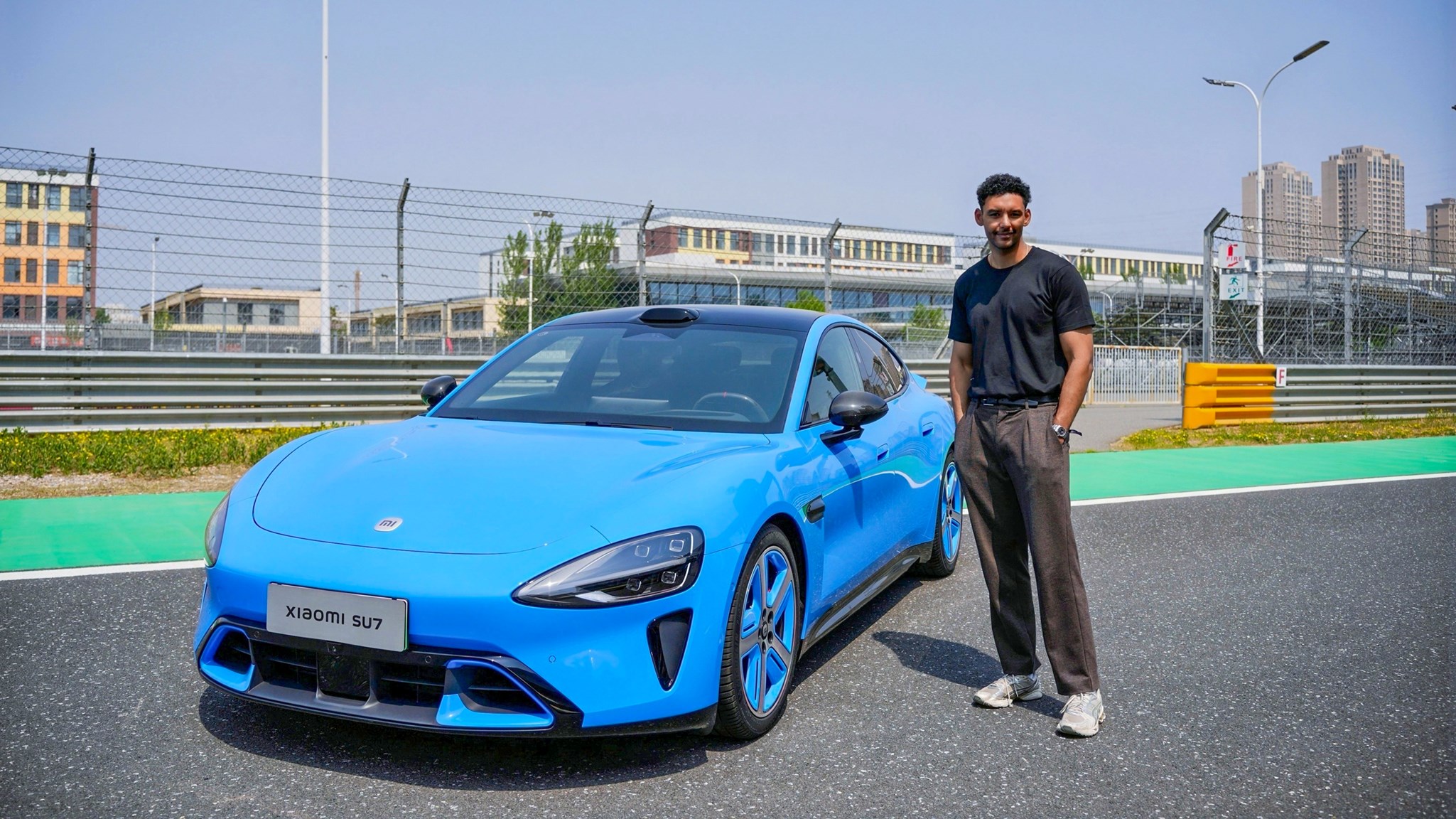
The SU7 is Xiaomi’s debut production car, and it arrives as a large electric fastback saloon. It is not a city runabout or a cautious first step. Instead, Xiaomi has launched into one of the most competitive sectors in the EV market, where performance, range, software and brand image all matter.
At almost five metres long, the SU7 has a substantial road presence. Its smooth nose, low roofline and wide stance give it a polished, premium look. The proportions are clearly shaped around aerodynamics, with flush surfaces, a tapered tail and a coupe-like silhouette. It is designed to look expensive, even though Chinese pricing places it far below many European rivals.
The name SU7 stands for Speed Ultra 7, which sets the tone for the car’s positioning. Xiaomi wants this model to be seen as a high-tech performance EV, not merely a battery-powered appliance. That ambition shows in the hardware, cabin experience and performance figures.
Powertrains, battery options and performance
The Xiaomi SU7 range includes several versions, from efficient single-motor models to more powerful dual-motor variants. Entry-level versions use rear-wheel drive and produce around 295bhp, enough for brisk everyday acceleration. Even the least powerful SU7 feels designed for relaxed high-speed cruising rather than basic urban transport.
More expensive versions step up battery capacity and charging technology. The SU7 Pro is tuned for longer driving range, while the SU7 Max adds dual motors, all-wheel drive and far stronger acceleration. In its most potent mainstream form, the SU7 Max produces about 664bhp and can complete the 0-62mph sprint in under three seconds.
Those numbers place the SU7 firmly in performance EV territory. The range-topping setup uses an 800-volt electrical architecture, which supports rapid charging when connected to a suitable high-power charger. Xiaomi claims impressive charging speeds, with the ability to add a substantial amount of range in a short stop.
Battery sizes vary by model. Lower versions use a smaller pack, while high-end versions use a large battery of more than 100kWh. Official Chinese range figures are measured under the CLTC test cycle, which is generally more optimistic than European WLTP ratings. Even so, the SU7’s efficiency and battery capacity suggest strong real-world potential.
Design: familiar influences, polished execution
The SU7’s exterior design is one of its biggest talking points. It blends luxury EV cues with sports saloon proportions, and some observers will notice similarities to established premium models. Still, the result is cohesive and attractive rather than awkward.
The front end is smooth and low, with swept-back lighting and a broad lower intake area. From the side, the roofline flows into the rear deck, creating a fastback profile. At the back, a full-width light signature and clean surfacing complete the modern EV look.
Aerodynamics play a major role. Xiaomi quotes a very low drag coefficient, helped by the car’s slippery shape and carefully managed airflow. Wheel designs, body detailing and underbody treatment all contribute to efficiency. In an electric car, this matters because reduced drag helps improve range at motorway speeds.
The SU7 is not a small car, but it avoids looking bulky. It has the visual drama expected from a premium electric saloon, especially in brighter colours and larger wheel specifications. Xiaomi understands consumer electronics design, and that eye for clean surfaces carries into the car.
Interior and technology
Inside, the Xiaomi SU7 feels like a product from a technology company. The dashboard is dominated by a large central touchscreen, supported by a digital driver display and a clean control layout. Physical buttons are limited, but Xiaomi has not removed every useful shortcut.
The infotainment system is one of the SU7’s core strengths. It is powered by Xiaomi’s connected ecosystem and is designed to work smoothly with the brand’s phones, tablets and smart devices. For drivers already using Xiaomi products, that integration could feel natural and convenient.
The interface is quick, sharp and highly visual. Menu responses are fast, graphics look polished and the system supports the kind of connected services buyers now expect. The SU7 also offers voice control, app connectivity and over-the-air software updates, giving Xiaomi a route to improve features after delivery.
Cabin quality is another important area. The materials appear carefully selected, with soft-touch surfaces, neat trim finishes and a modern layout. It does not feel like a budget experiment. Instead, the SU7 gives the impression of a mature product created by a company determined to make a strong first impression.
Space is generous in the front, while the long wheelbase helps rear passenger room. The sloping roofline may affect headroom for taller passengers, but the SU7 remains a practical saloon for everyday family use. Boot space is useful, and there is additional storage under the front bonnet.
Driving experience
On the road, the SU7’s character depends heavily on the version. Rear-drive models suit drivers who value refinement and range, while the all-wheel-drive Max delivers serious pace. Acceleration is instant, as expected from a high-powered EV, but the best electric sedans also need composure, steering precision and ride control.
The SU7’s low centre of gravity helps. Its battery pack sits under the cabin floor, which improves stability and reduces body movement. The car feels planted, especially at higher speeds. On smooth roads, it delivers the calm, confident sensation expected from a premium electric saloon.
Performance versions bring explosive acceleration, but they also carry extra weight from larger batteries and dual motors. Like many fast EVs, the SU7 must balance straight-line speed with consistent braking and body control. Regenerative braking settings help recover energy and allow drivers to tailor the feel.
Ride comfort is a key factor for global buyers. The SU7 is engineered for a market where many customers expect refinement as much as pace. It aims to offer a quiet cabin, smooth power delivery and stable cruising manners. Tyre roar and suspension firmness may vary with wheel size, but the overall brief is clear: fast, connected and comfortable.
Driver assistance and safety technology
Xiaomi has invested heavily in driver assistance technology. The SU7 can be equipped with advanced sensors, cameras and computing hardware for assisted driving functions. These systems are central to the car’s technology-led identity.
The feature set includes lane assistance, adaptive cruise functions and automated parking capability. Higher versions add more sophisticated hardware for enhanced assisted driving in supported conditions. As with many modern EVs, the software will likely continue evolving through updates.
However, buyers should treat these systems as assistance, not full autonomy. The technology can reduce workload, but the driver remains responsible. The best system is one that feels predictable, clear and easy to supervise.
Price and market positioning
One reason the Xiaomi SU7 has attracted so much attention is its pricing in China. At launch, local prices started from a level that undercut many international rivals. Even high-spec versions offered striking performance and technology for the money.
That value equation becomes more complicated outside China. Export costs, taxes, safety certification, dealer support and local regulations can change the final price dramatically. For markets such as the UK and Europe, the big question is whether Xiaomi can keep the SU7 affordable while meeting local expectations.
There is no confirmed right-hand-drive UK launch timetable at the time of writing. Xiaomi has global ambitions, but building a successful car business outside China requires more than a tempting specification sheet. It needs aftersales support, parts supply, warranty confidence and brand trust.
If Xiaomi enters Europe with the SU7 or a related model, it could become a serious disruptor. The combination of price, performance and software expertise gives the company a clear advantage. Yet established carmakers still have strengths in chassis tuning, servicing networks and long-term customer support.
How it compares with rivals
The Tesla Model 3 remains the most obvious benchmark. Tesla has strong efficiency, charging infrastructure and proven software. The Xiaomi SU7 counters with a more dramatic design, a larger body and deep integration with consumer technology.
The BYD Seal is another important rival, especially in markets where Chinese EVs are gaining ground. BYD brings battery expertise and growing international credibility. Xiaomi, by contrast, brings a technology brand identity and a cabin experience designed around digital convenience.
Against the Porsche Taycan, the SU7 is more of a value challenger than a direct luxury replacement. The Taycan still carries strong engineering heritage and a premium badge. Yet the Xiaomi offers remarkable performance figures and a high-tech image at a much lower Chinese price point.
Verdict: a bold first EV from a tech giant
The Xiaomi SU7 is one of the most significant new electric cars from China. It combines strong performance, long-range potential, rapid-charging hardware and a sophisticated digital cabin. More importantly, it shows how quickly a technology company can become credible in the car industry.
It is not just impressive because it is Xiaomi’s first car. It is impressive because it feels competitive on its own terms. The SU7 has the design appeal, performance and software focus needed to attract buyers who want an electric saloon with personality.
The biggest unanswered questions concern global availability, long-term reliability and aftersales support. If Xiaomi can solve those challenges, the SU7 could become a major threat to established EV brands. For now, it stands as a clear warning: the electric car market is changing fast, and the next big name may come from outside the traditional motor industry.
#xiaomisu7 #electriccars #evreview #chinesecars #futuremobility
The post 2026 Xiaomi SU7 Price Specs and Release Date appeared first on Cars News Magazine.
The Auto Xone


Comments
Post a Comment